
As electrification accelerates across Europe, safety and compliance are no longer optional—they are foundational. For OEMs, integrators, and system designers who are building electric and hybrid vehicles, understanding ECE R100 is critical to bringing products to market that are both road-legal and safe.

Drawing on insights from Santiago Antolin, Senior Field Applications Engineer – EMEA, this guide breaks down what ECE R100 is, why it matters, and what to look for in a compliant battery supplier.
Q&A Session on ECE R100 Certification
ECE R100 is a regulatory standard issued by the United Nations Economic Commission for Europe that governs the safety of electric and hybrid vehicles operating on public roads in Europe.
It is divided into two key sections:
- Part I (Vehicle-Level Requirements)
Covers the overall electric powertrain, including electrical buses (AC/DC), wiring, connectors, and charging systems. - Part II (Battery System-Level Requirements)
Focuses on the Rechargeable Energy Storage System (REESS)—most commonly lithium-ion batteries. This section is especially relevant to battery suppliers, as it defines how battery systems must perform under various safety conditions.
The current version is Revision 4, with Revision 5 expected soon. Each revision introduces more stringent requirements, particularly around battery safety, reflecting the rapid evolution of electric vehicle technology and risk mitigation practices..

ECE R100 applies to:
- Category M vehicles: Passenger vehicles with four or more wheels
- Category N vehicles: Goods transport vehicles with four or more wheels
These vehicles must be capable of exceeding 25 km/h and intended for public road use.
ECE R100 Part II requires battery systems to pass a comprehensive set of tests designed to simulate real-world and extreme conditions.
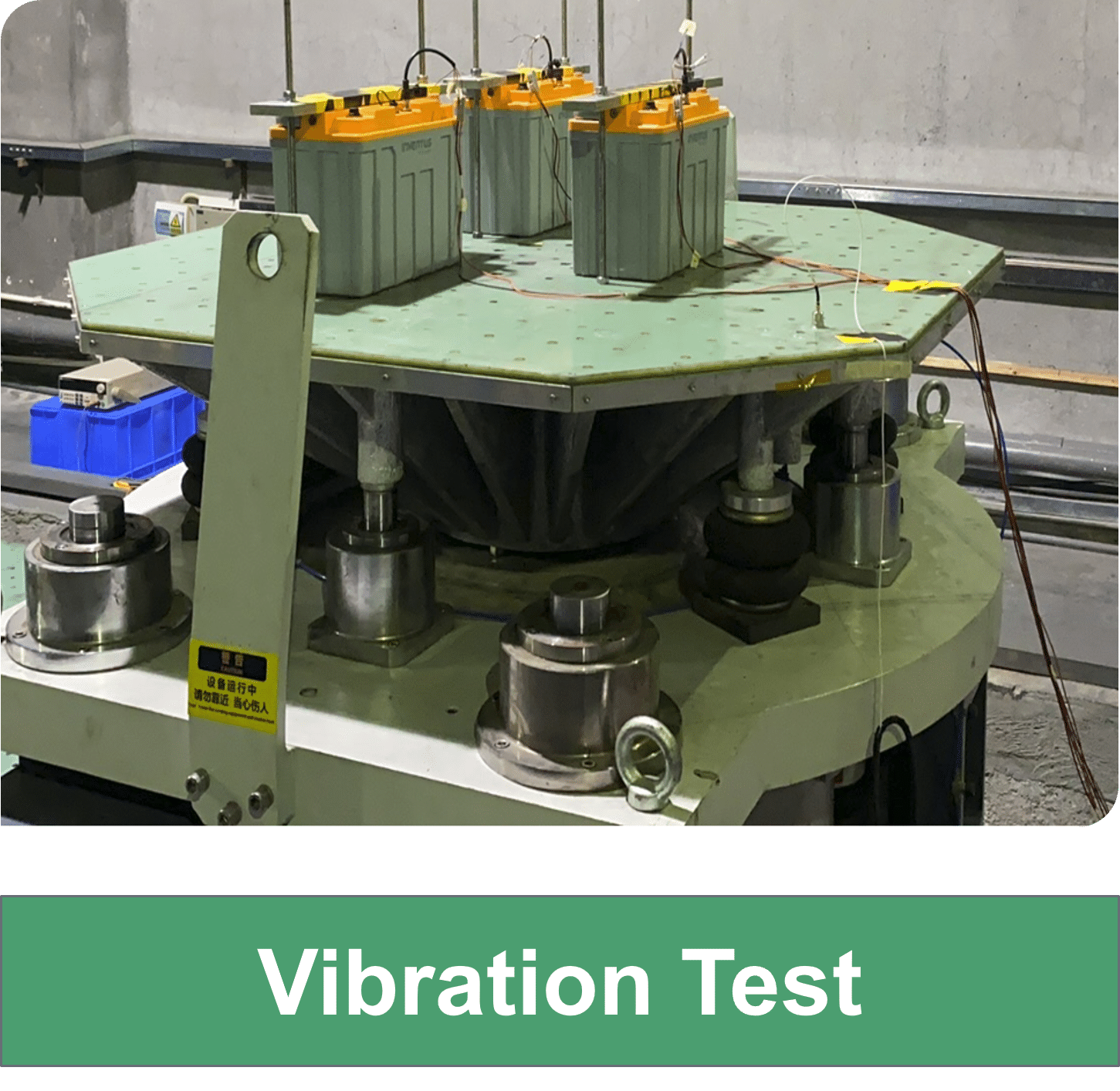
Mechanical & Environmental Testing
- Vibration (simulating road conditions)
- Mechanical shock and impact
- Thermal shock

Fire Safety
One of the most demanding tests involves external fire exposure. The battery must withstand fire without rupturing for at least one minute—providing critical time for passenger evacuation.
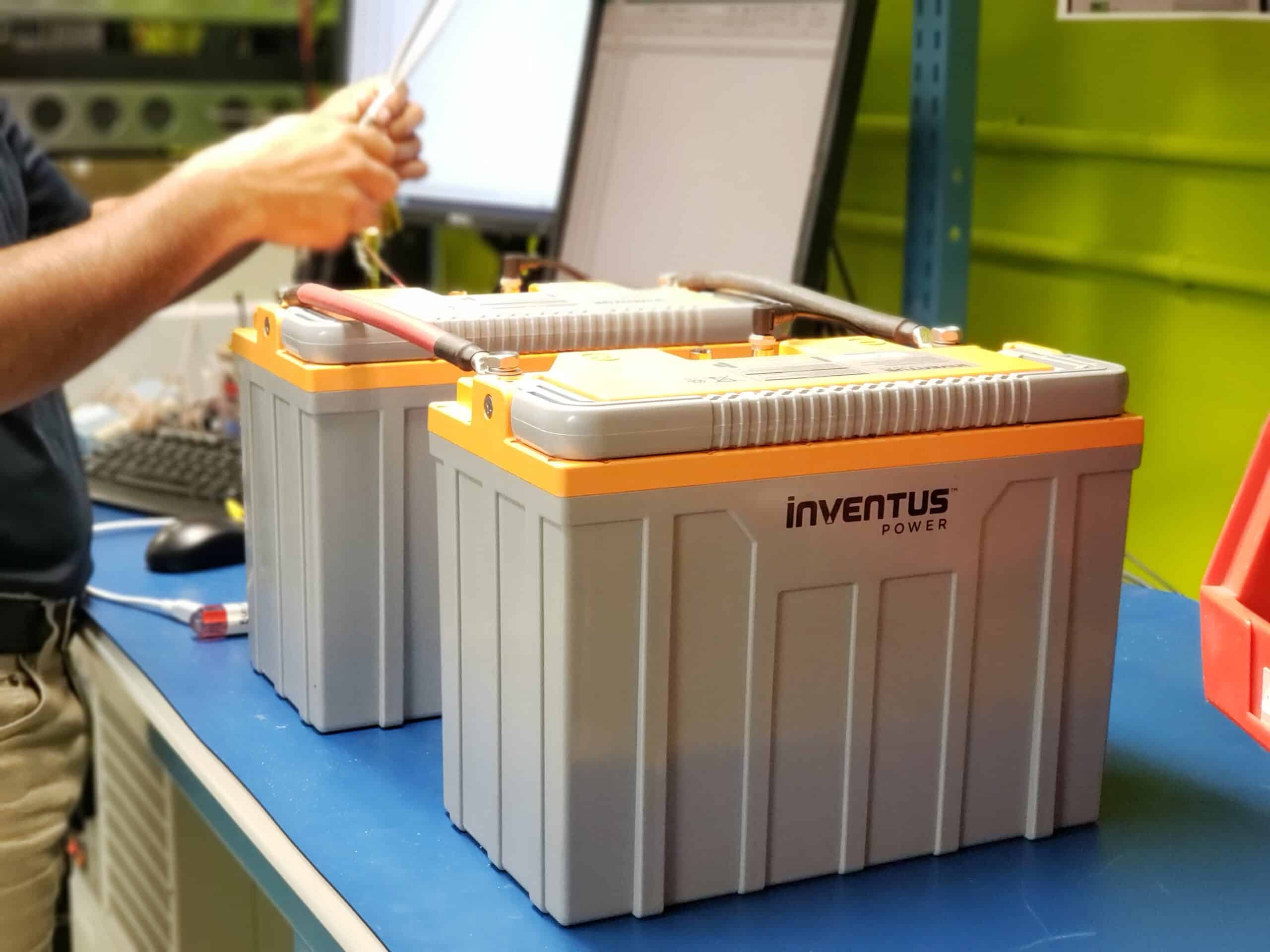
Electrical & Functional Safety
- Short-circuit protection
- Overcharge and over-discharge protection
- Over-temperature safeguards
- Over-current protection
From day one.
ECE R100 compliance is not something that can be “added later.” Early design decisions directly impact certification success, including:
- Cell selection and layout
- Enclosure materials
- PCB and electronics architecture
- BMS design
Delaying compliance considerations can lead to costly redesigns, delays, or even project failure.
No. Not all battery manufacturers comply with ECE R100.
Developing an automotive or industrial lithium‑ion battery system that meets ECE R100 requirements requires significant expertise in mechanical, electrical, and software engineering. Very few manufacturers offer standard battery packs that fully comply with the regulation.
Inventus Power is one of the companies that has successfully developed and certified battery systems to ECE R100.
Have a Different Question about ECE R100 Certification?
Please reach out to our team.
What OEMs Should Look for in a Supplier
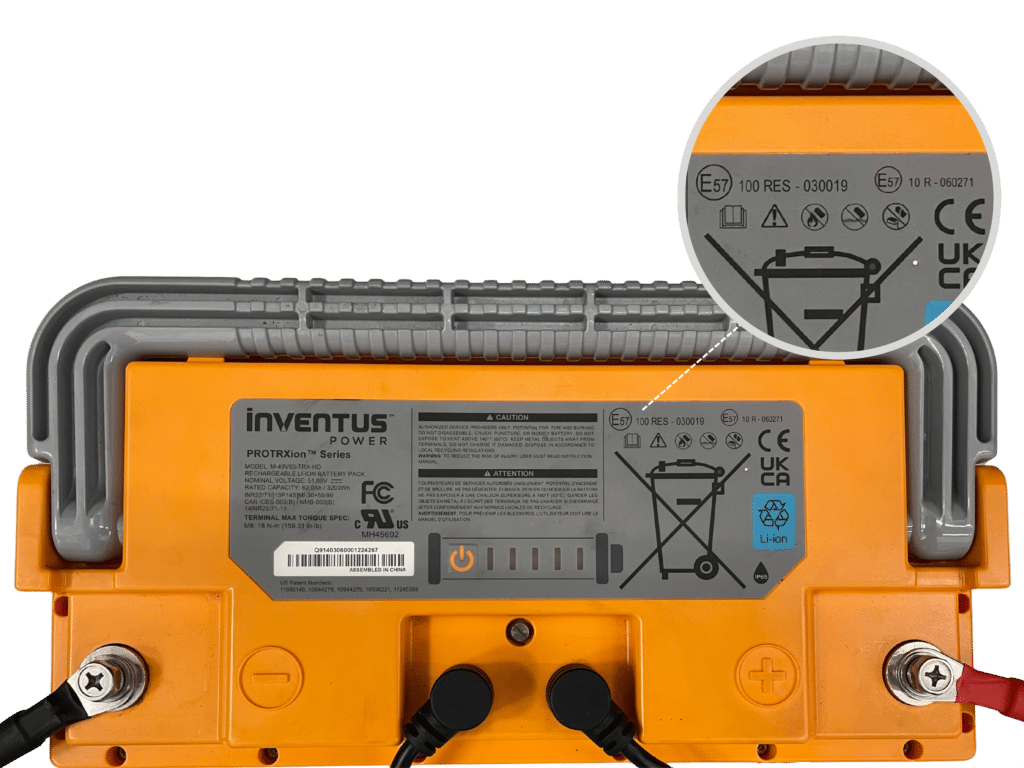
When evaluating a battery supplier, OEMs should confirm:
- Official certification from an authorized approval body
- A valid ECE R100 label with a registered approval number
- Proven expertise in:
- Battery management systems (BMS)
- Enclosure and thermal design
- Automotive-grade validation processes
Certification alone isn’t enough—execution and experience matter.
Key Challenges in Achieving Compliance
The biggest hurdle isn’t understanding the standard—it’s meeting it in practice.
- Pre-compliance testing is expensive and time-consuming
- Validation requires multiple design iterations
- Certification failure can significantly delay time to market
Investing early in testing and validation is essential to reduce risk.
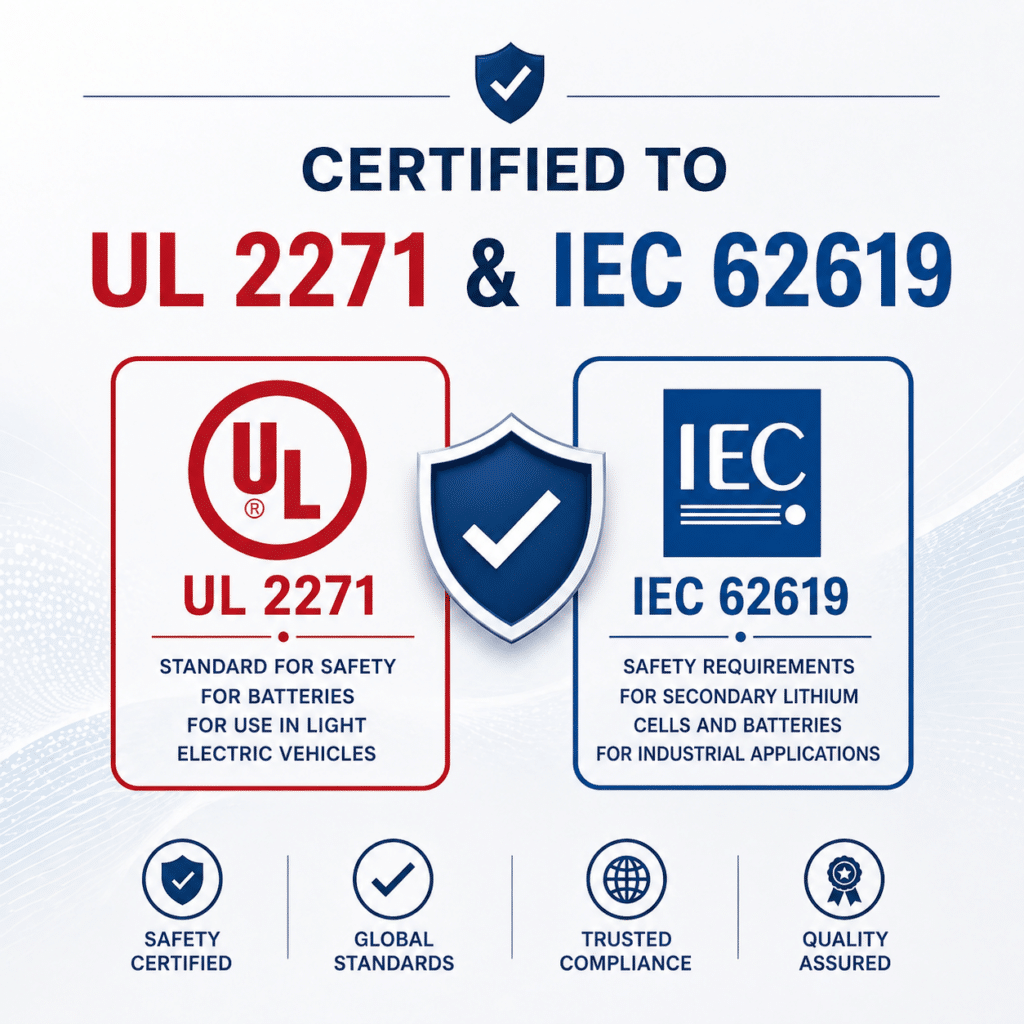
ECE R100 is often used alongside other international safety standards, such as:
- UL 2271 (light electric vehicles)
- IEC 62619 (industrial battery safety)
Together, these frameworks create a global safety ecosystem, ensuring consistency across markets and applications.
Final Takeaway: Why ECE R100 Matters
At its core, ECE R100 is about protecting people—drivers, passengers, and the public. Electric vehicles introduce unique risks, primarily tied to their energy storage systems, including:
- Thermal events following a crash
- Electrical faults from misuse or abuse
- Failures due to design or component issues
ECE R100 mitigates these risks by requiring battery systems to undergo rigorous validation before they are approved for use. For OEMs and system designers, choosing an ECE R100-compliant battery supplier isn’t just about regulation—it’s about building products that meet the highest standards of safety, reliability, and trust.
Inventus Power & ECE R100 Certification
Learn how we can support your next electric vehicle program with ECE R100-compliant battery solutions.