
National Battery Day honors the birthday of Alessandro Volta, inventor of the first true battery—the voltaic pile—in 1800. More than two centuries later, batteries power nearly every aspect of modern life, from consumer electronics and medical devices to electric vehicles and autonomous machines.
At Inventus Power, National Battery Day holds special meaning. As a global leader in advanced battery systems, we’ve worked with many chemistries over the years. For more than 30 years, however, our focus has been on rechargeable lithium-ion (Li-ion) technology.
Why Choose Lithium? Here’s our Top 10 list paired with some examples of real-world applications that benefit from Li-ion battery technology:

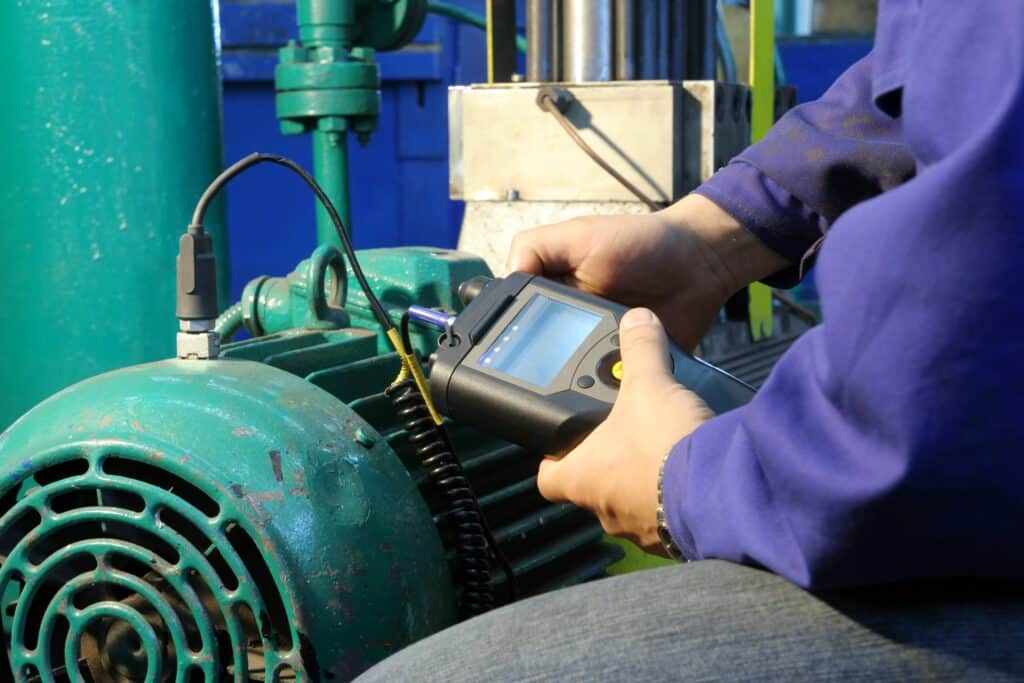
1. Low Maintenance
Unlike some legacy chemistries, Li-ion batteries don’t require routine discharge cycling to maintain performance—reducing maintenance time and operational risk.
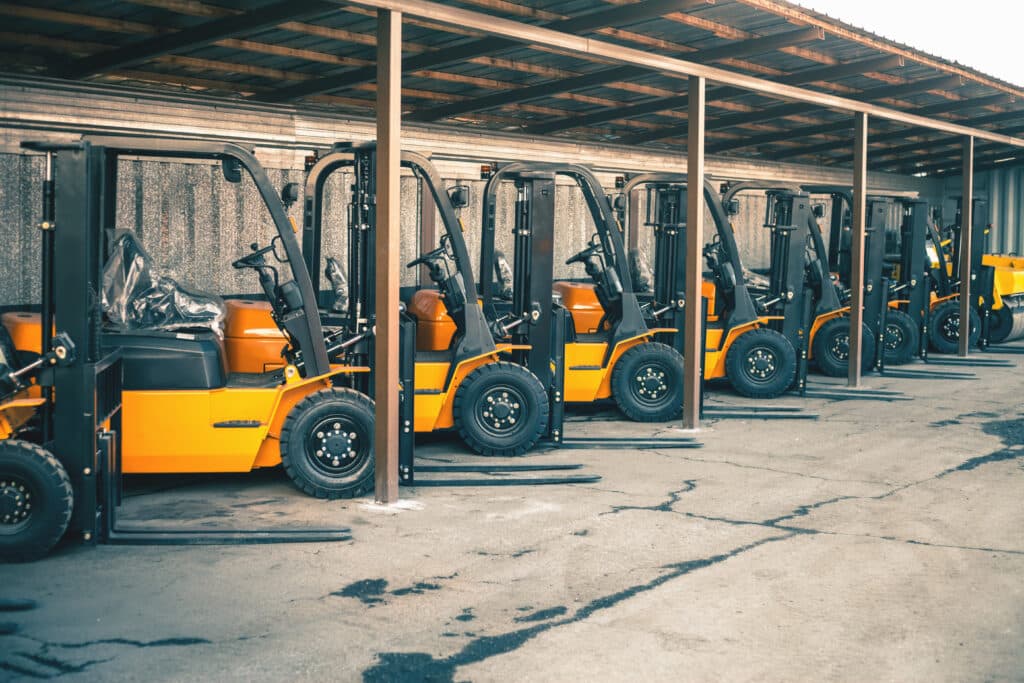
Examples: Material Handling Equipment, Hospital Backup Power Systems, Data Centers, Remote Monitoring
2. Lightweight
Li-ion offers significantly higher energy per pound compared to many traditional chemistries, enabling lighter, more portable products without sacrificing performance.
Example: Drones, Surgical Power Tools, E-Mobility, Wearable Devices

3. High Energy Density
More energy in a smaller footprint means longer runtimes and more compact system designs—ideal for today’s space-constrained applications.
Example: Smartphones, Portable & Wearable Medical Devices, Handheld Scanners
4. Long Run Time
Higher energy density translates into extended operation between charges, increasing productivity and enhancing user experience.
Example: Professional Cleaning Machines, Outdoor Power Equipment, Electric Vehicles


5. Lower Self-Discharge
Li-ion batteries retain their charge longer when not in use, making them reliable for both everyday and standby applications.
Example: Emergency Lighting Systems, AEDs, Security Backup Systems, Seasonal Equipment
6. Fast Charging
Compared to chemistries like lead-acid, lithium-ion batteries charge significantly faster—minimizing downtime and maximizing efficiency.
Example: Autonomous Mobile Robots, Electric Vehicles, Smartphones
7. Long Cycle Life
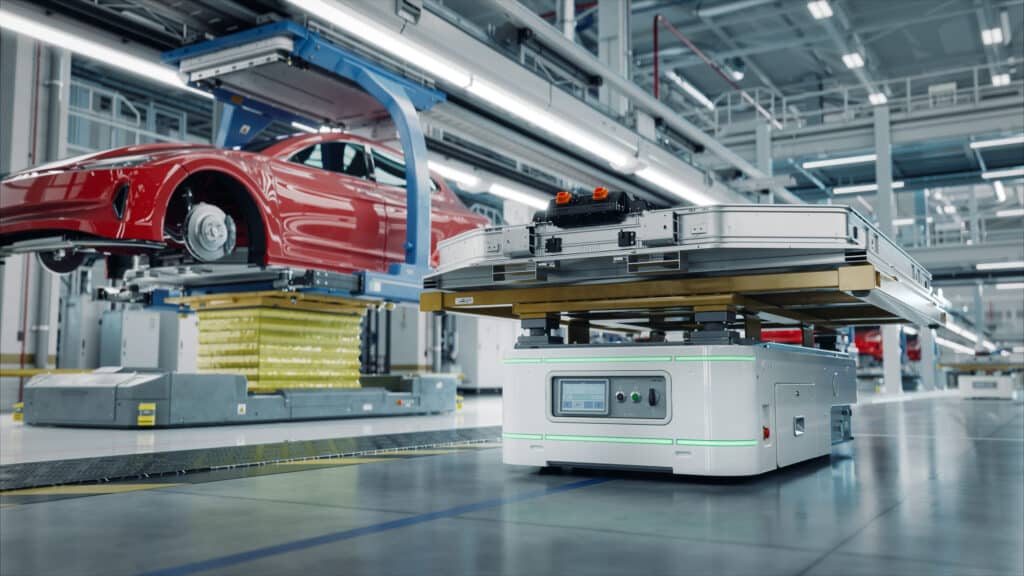
With 2,000+ charge cycles depending on application and design, Li-ion systems can last 5–10 years or more—often outlasting alternative chemistries.
Example: Transit Fleets, Energy Storage Systems, Autonomous Systems
8. Built-In Intelligence
Advanced battery management systems (BMS) monitor performance, optimize charging, enhance safety, and provide valuable data insights—adding intelligence to energy storage.
Example: Medical Carts, Smart Devices, Critical Power Applications

9. Wide Temperature Performance
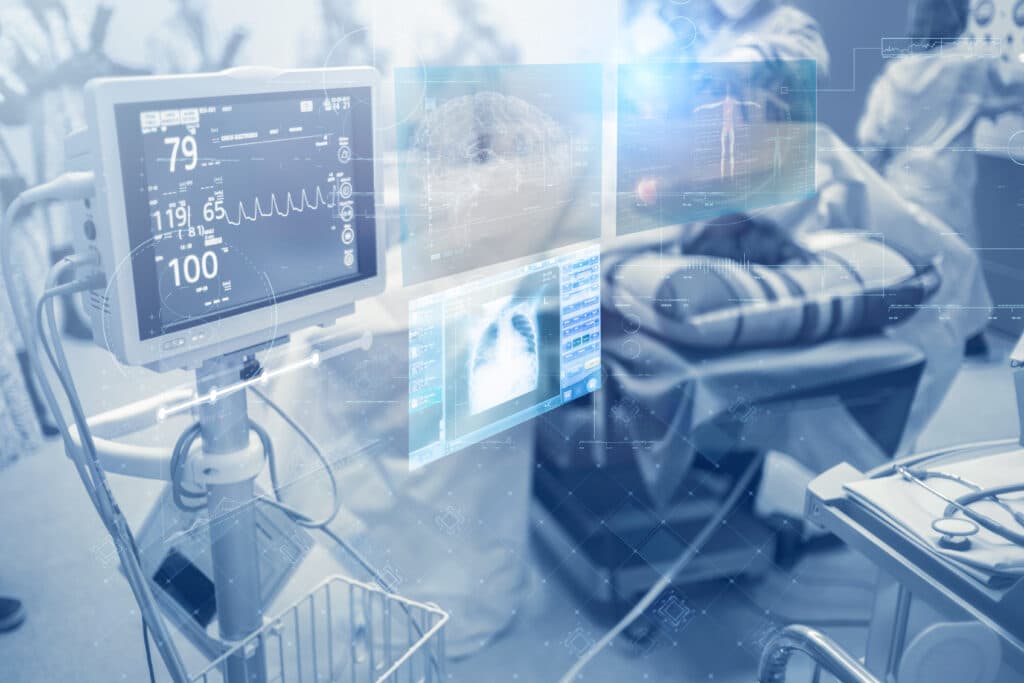
Engineered Li-ion solutions can operate across broad temperature ranges, supporting demanding industrial, medical, and outdoor environments.
Example: Construction Vehicles, Oil & Gas Monitoring Equipment, Data Centers
10. Zero Emissions
Lithium-ion powered vehicles produce zero emissions – improving air quality and supporting sustainability goals
Example: Electric Vehicles, Off-Highway Equipment, Landscaping Equipment

Powering Everyday Life
Lithium-ion technology is now embedded in more applications than ever before—powering smartphones and medical devices to EVs and autonomous machines. Its versatility, performance, and reliability make it the chemistry of choice for modern innovation.
This National Battery Day, we celebrate how far energy storage has come since Volta’s early experiments—and we look ahead to what’s next. As technology evolves and electrification accelerates, batteries continue to enable smarter, cleaner, longer-lasting, and higher-performing solutions across industries.
At Inventus Power, we’re proud to help power that future.